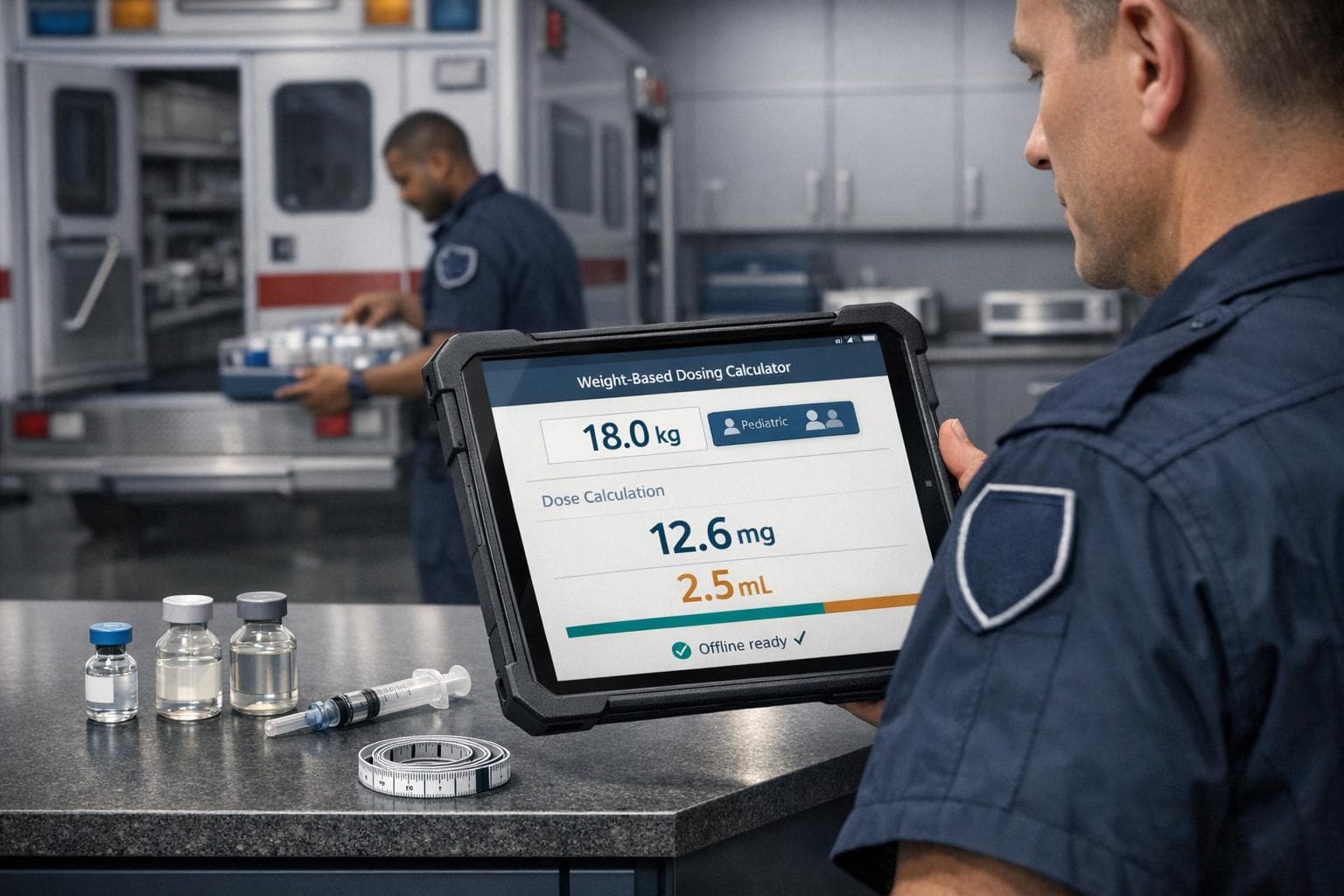
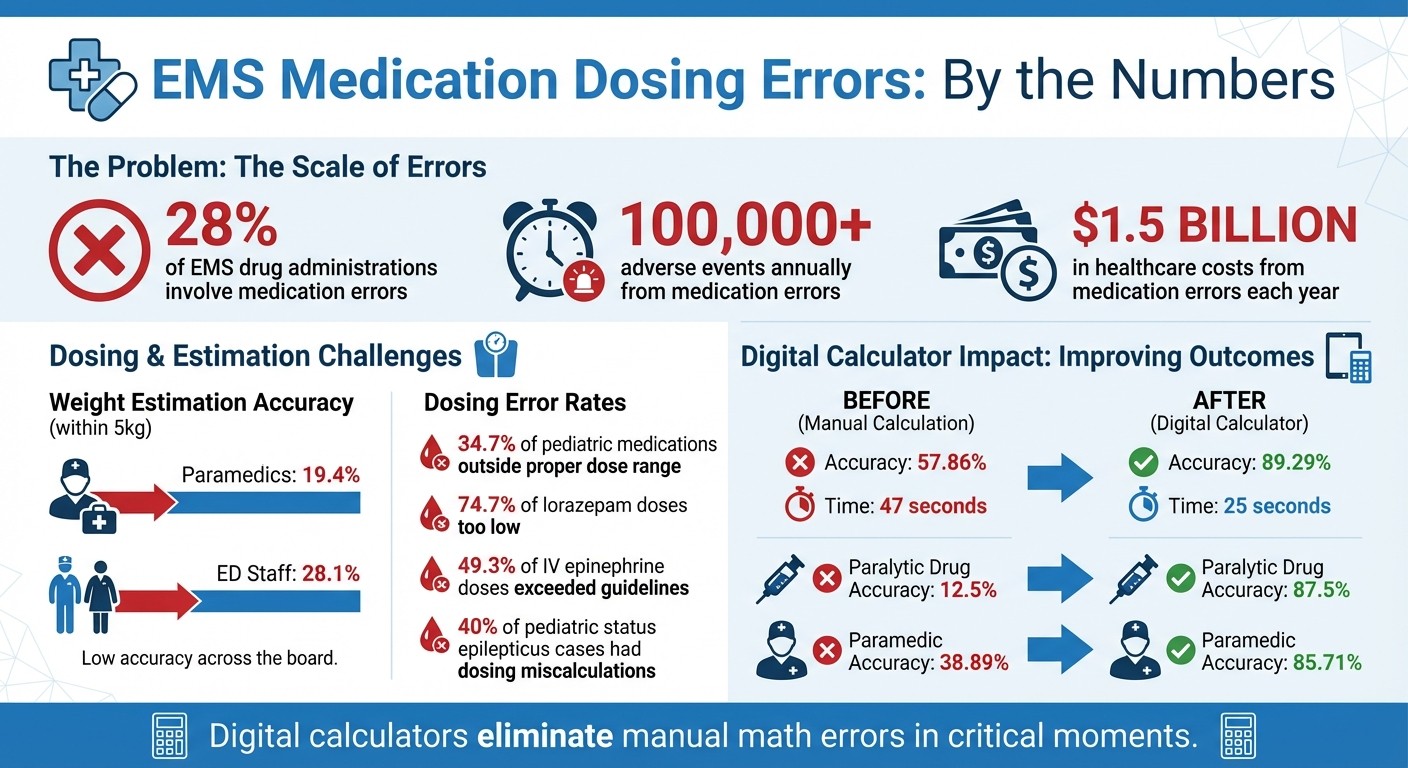
In EMS, medication errors are a serious issue, with over 28% of drug administrations involving mistakes. These errors contribute to 100,000+ adverse events annually, costing the healthcare system $1.5 billion. The problem is especially pronounced in pediatric emergencies, where precise weight-based dosing is critical, and manual calculations under pressure often lead to inaccuracies.
Digital weight-based medication dosing calculators solve this by automating complex calculations. These tools instantly determine the correct dose and volume based on weight, reducing errors and freeing providers to focus on patient care.
Key Benefits:
- Accuracy Boost: Eliminates manual math errors.
- Time Savings: Cuts calculation time in half.
- Stress Reduction: Reduces cognitive load in high-pressure situations.
- Offline Functionality: Works without internet access, ensuring reliability in all settings.
These tools are transforming EMS operations, helping providers deliver safer, faster, and more reliable care when every second counts.
EMS Medication Dosing Errors: Statistics and Impact
Problems with Manual Dosing Calculations in the Field
Time Pressure and Accuracy Demands
In emergency settings, EMS providers often face the daunting task of calculating medication doses without access to scales. Instead, they rely on visual weight estimates, patient-provided information, or tools like the Broselow tape. The situation becomes even more challenging when dealing with unconscious patients, those in critical condition, or individuals unable to communicate.
The process of manual dosing involves several steps: estimating weight (usually in pounds), converting pounds to kilograms, determining the dose based on mg/kg, and finally calculating the volume of medication. Each step adds opportunities for error, especially in high-stress situations like cardiac arrests, severe seizures, or traumatic injuries.
Even standard tools for weight estimation can fall short in accuracy. Compounding this issue, EMS training rarely includes formal instruction on weight estimation, leaving providers to develop this skill through trial and error. These uncertainties can have serious consequences, particularly when quick and precise dosing is critical for patient outcomes.
These systemic challenges make dosing errors a frequent and serious concern, as outlined below.
Frequent Errors in Manual Calculations
The real-world impact of these challenges is striking. Studies show that paramedics accurately estimate weight within 5 kg only 19.4% of the time, compared to 28.1% accuracy among emergency department staff. These inaccuracies often lead directly to dosing errors.
For example, in one study of pediatric drug administration, 34.7% of medications were found to be outside the proper dose range. A tragic case from September 2021 highlights the potential consequences: Elijah McClain, a man in Colorado, received a 500 mg dose of ketamine based on a paramedic's weight estimate of 200 lbs (90.7 kg). In reality, McClain weighed 143 lbs (65 kg), meaning the appropriate dose should have been 325 mg. This 175 mg overdose was later identified as a contributing factor in his death.
Errors also vary depending on the medication. Research reveals that 74.7% of lorazepam doses were too low, while 49.3% of IV epinephrine doses exceeded recommended guidelines. Among pediatric patients treated for status epilepticus in prehospital settings, 40% experienced dosing miscalculations.
Med Math For Paramedic School (Everything Medic Students Need In One Place)
How Digital Calculators Improve Medication Dosing
Digital weight-based dosing calculators tackle the challenge of manual math at the bedside by automating calculations. Providers simply input the patient’s weight, and the tool instantly determines the precise dose in both milligrams and milliliters. This automation eliminates the risks tied to human error during critical moments in patient care.
Studies highlight the accuracy boost these tools provide. For instance, between October and November 2018, researchers Nichapha Chongthavonsatit and Phattharapornjaroen conducted a randomized crossover trial at Ramathibodi Hospital. The trial involved 20 emergency residents and 14 paramedics calculating 560 pediatric prescriptions using a spreadsheet loaded with dosage formulas. The results were striking: accuracy improved from 57.86% to 89.29%, and the median calculation time dropped from 47 seconds to 25 seconds. Paralytic drug accuracy saw an even more dramatic jump, increasing from 12.5% to 87.5%.
These tools also help level the playing field among providers with varying expertise. The same study found that paramedics' accuracy climbed from 38.89% to 85.71% when using digital methods. This means every team member, regardless of their comfort with math, can safely and confidently deliver proper doses.
By reducing the mental workload during high-pressure situations, digital calculators allow providers to focus on critical tasks like patient assessment and airway management. Instead of juggling complex calculations during emergencies like cardiac arrest or respiratory distress, clinicians can let the calculator handle the math and dedicate their attention to life-saving decisions. These advantages are made possible by specific features of digital dosing tools, outlined below.
Key Features of Digital Dosing Calculators
Modern dosing calculators are packed with features designed for use in the field. For example:
- Automatic unit conversion: These tools convert patient weight from pounds to kilograms instantly, addressing one of the most common sources of error. They also translate milligram doses into the exact volume needed based on the drug’s concentration.
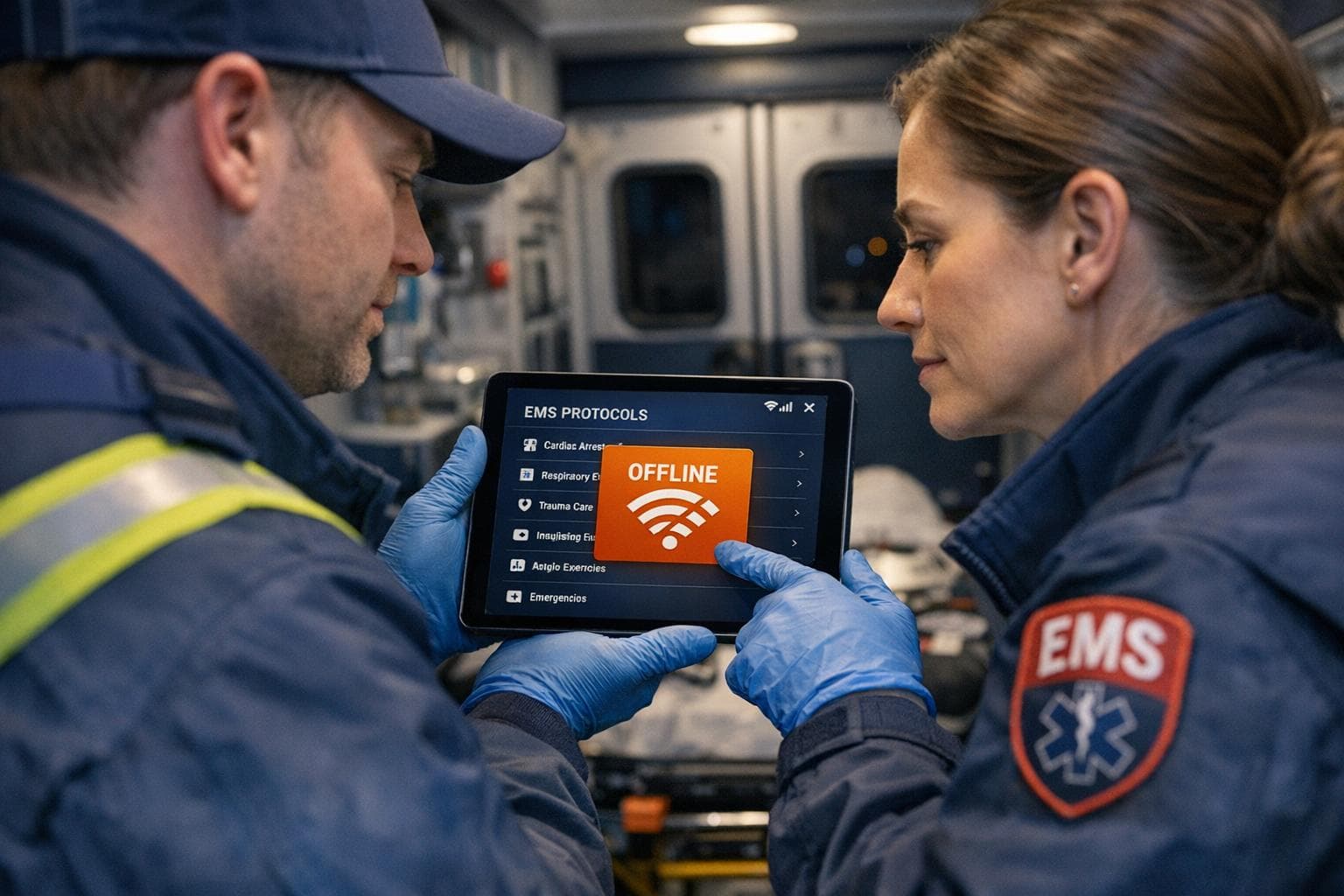
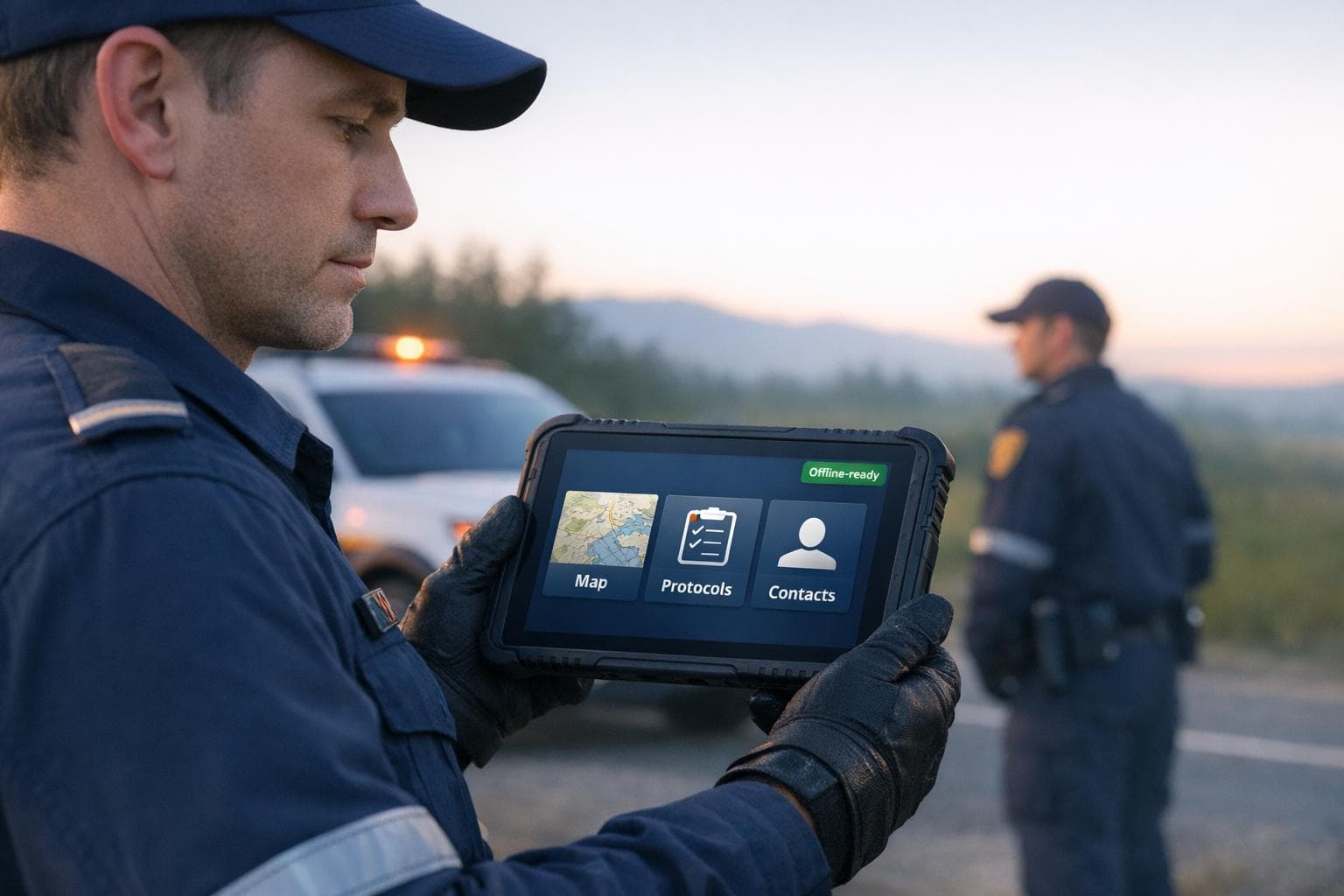
- Offline functionality: Many calculators work as offline progressive web apps on mobile devices, making them reliable in areas with poor cellular service. Providers can update the app at the start of their shift, ensuring uninterrupted access throughout the day.
- Flexible weight input options: Whether providers have an exact weight, need to use age-based estimators for pediatric patients, or rely on Broselow™ Pediatric Emergency Tape color zones, these tools adapt to the available information.
- Safety guardrails: Built-in alerts for maximum doses and protocol cross-checks help prevent overdoses, even when weight estimates are less precise.
These features translate directly into better outcomes in real-world scenarios.
Field Applications for EMS Teams
Digital calculators shine in pediatric emergencies, where weight-based dosing is critical but accurate weights are often unavailable. By calculating doses en route, EMS teams can administer life-saving medications like seizure-stopping drugs within moments of arrival.
In adult anaphylaxis cases, these tools simplify the process of delivering weight-based epinephrine and antihistamines. Instead of estimating weight and manually converting units, providers enter the estimated weight and instantly receive the correct dose. This speed can make all the difference in preventing airway obstruction.
Cardiac arrest situations also benefit from these tools. Whether calculating pediatric epinephrine doses (0.01 mg/kg) or determining amiodarone amounts for adults, digital calculators ensure precision while providers juggle compressions, ventilations, and other critical interventions. The result? No more pausing care to perform complex math.
Weight-Based Dosing Calculation Examples
These examples highlight how digital dosing tools can simplify complex calculations and reduce the risk of errors in high-pressure situations. Manual dosing often involves multiple steps: converting weight (lbs to kg), calculating the dose (mg/kg), and converting to volume (mg to mL). Each step introduces potential for mistakes, especially during emergencies. Digital calculators streamline this process, ensuring accuracy when it matters most.
Common Dosing Scenarios for Pediatric and Adult Patients
Take a pediatric cardiac arrest involving a 33-pound child. The first step is to convert the weight: 33 lbs ÷ 2.2 = 15 kg. Following the protocol, the dose for epinephrine is 0.01 mg/kg. Multiply 15 kg × 0.01 mg/kg = 0.15 mg. With epinephrine 1:10,000 (0.1 mg/mL), calculate the volume: 0.15 mg ÷ 0.1 mg/mL = 1.5 mL. Performing these three steps manually during a critical moment increases the chance of error, but a digital tool calculates it instantly.
Now consider pediatric amiodarone for ventricular fibrillation. For a 44-pound child (20 kg), the dose is 5 mg/kg, resulting in 100 mg. The required volume depends on the drug's concentration, which can vary between pre-mixed bags and vials that need dilution. A digital calculator adjusts for these differences automatically, saving time and reducing risk.
The table below provides a quick reference for common emergency scenarios, showing how precise calculations translate into doses and volumes for patients of different ages and weights.
Dosing Calculation Reference Table
| Patient Scenario | Weight/Age | Dose (mg) | Volume (mL) |
|---|---|---|---|
| Pediatric Cardiac Arrest (Epi 0.1 mg/mL) | 15 kg child | 0.15 mg | 1.5 mL |
| Adult Cardiac Arrest (Epi 0.1 mg/mL) | Standard Adult | 1 mg | 10 mL |
| Pediatric VF/VT (Amiodarone) | 20 kg child | 100 mg | Varies by concentration |
| Adult VF/VT (Amiodarone) | Standard Adult | 300 mg | Varies by concentration |
| Opioid Overdose (Naloxone) | 70 kg adult | 0.4–2 mg | Adjusted per response |
Pediatric doses often require rounding to the tenth's place for accuracy, while adult doses typically round to whole numbers. These small details are crucial when dealing with medications that have narrow therapeutic windows. Digital calculators take care of these nuances, ensuring proper rounding and concentration adjustments for each drug, removing the guesswork entirely.
Adding Weight-Based Calculators to EMS Protocols with ResponderOne
Simplified Protocol Access with ResponderOne
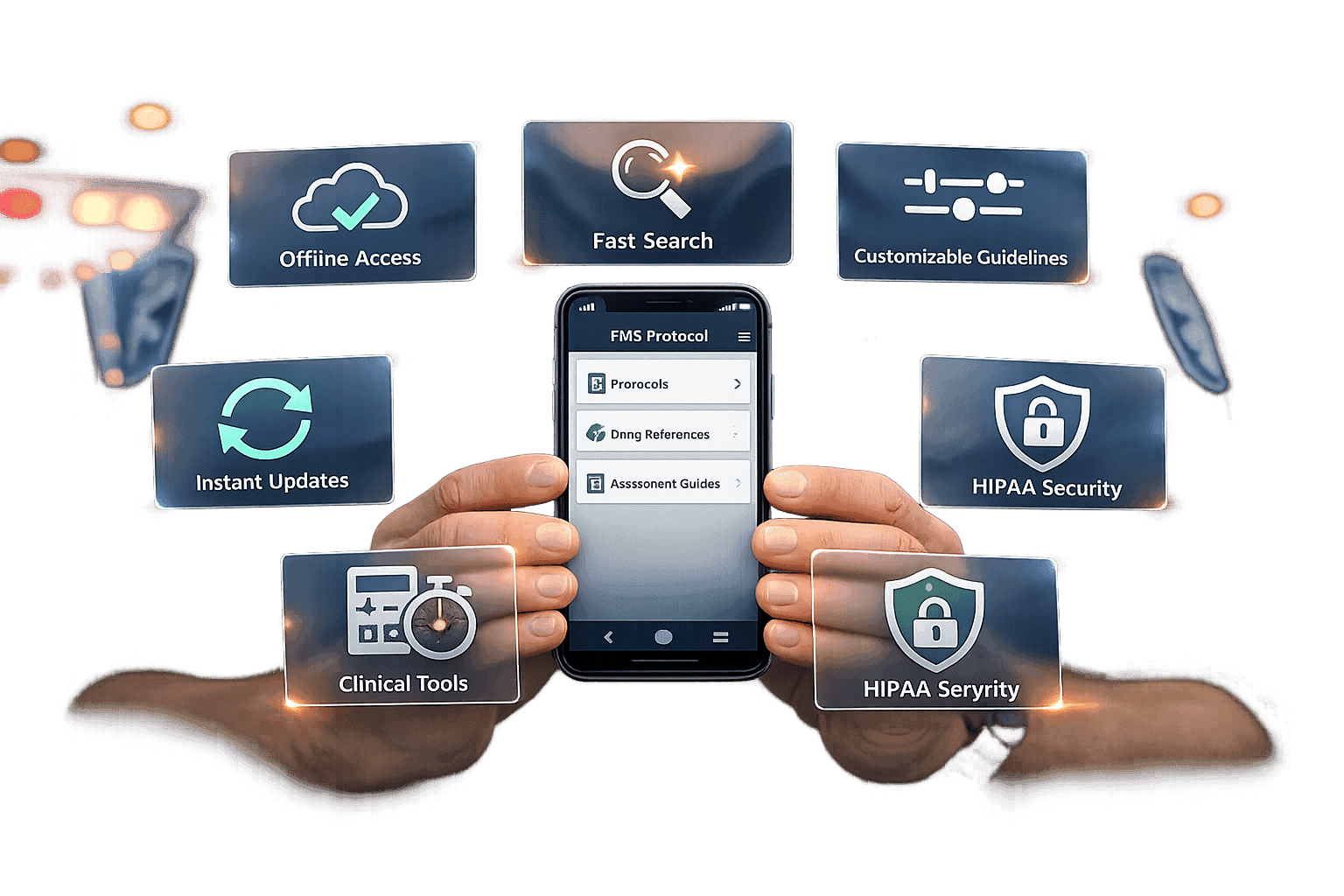
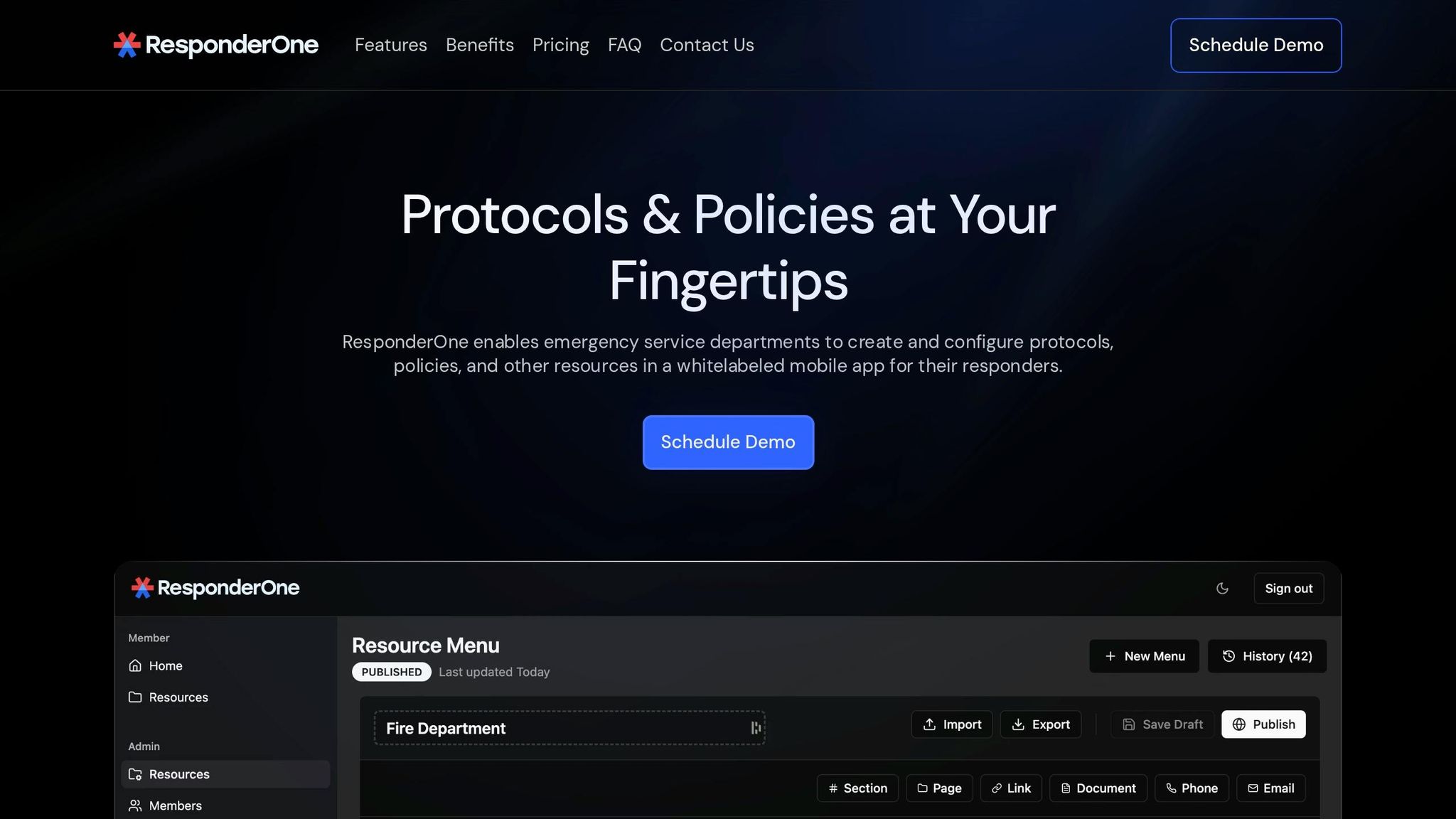
ResponderOne brings weight-based dosing calculators into one centralized Resource Library, making updated dosing protocols easily accessible. The platform simplifies weight conversions and offers flexible input options, including manual entry, age-based estimations, and Broselow™ color-coding.
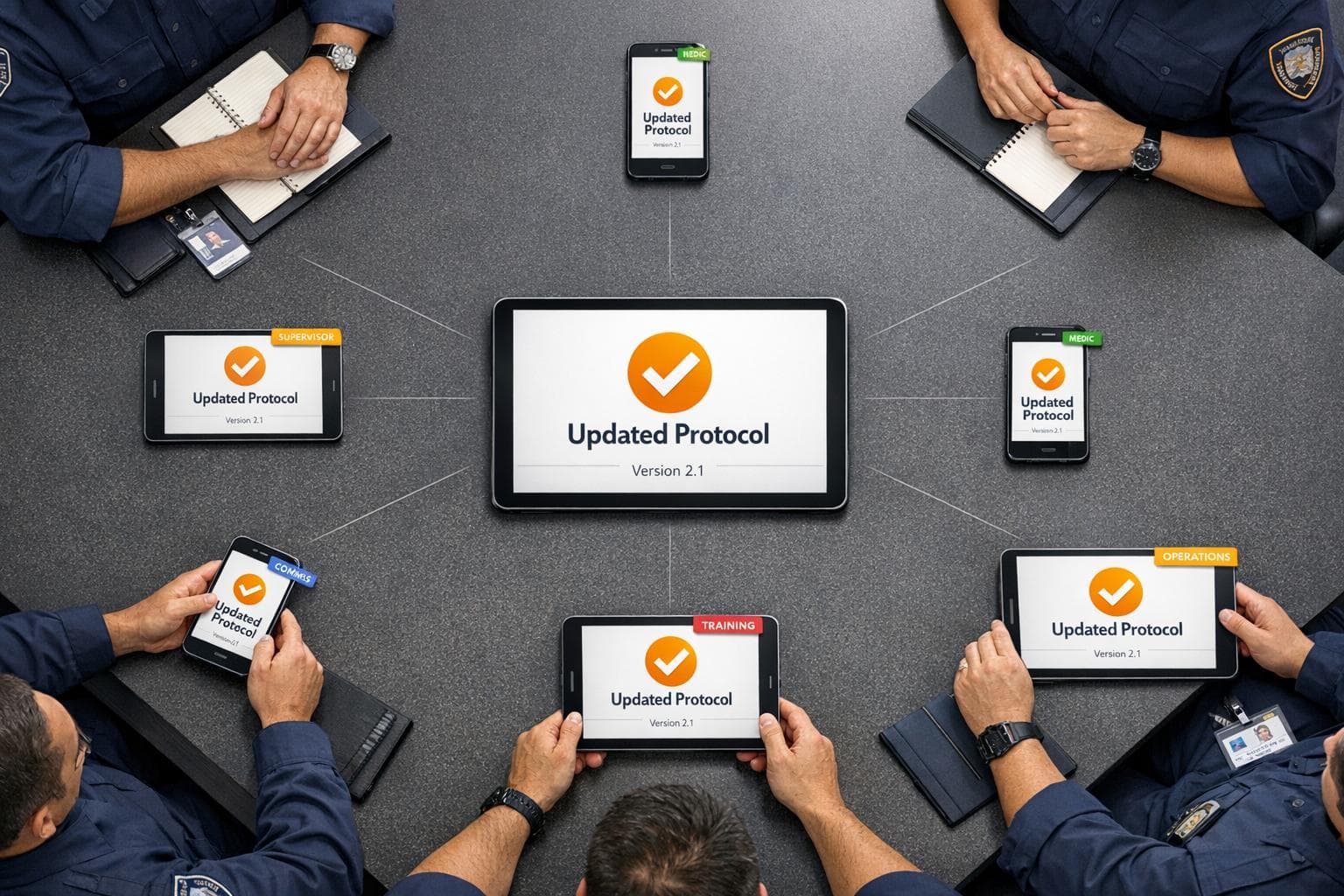
Even without internet access, ResponderOne ensures uninterrupted usage. Providers just need to update the app at the start of their shift to load the latest protocols, guaranteeing they work with the most accurate and verified information throughout their day.
Better Decision-Making Through Calculator Integration
With standardized protocols in place, integrating digital calculators allows EMS providers to focus on patient care rather than juggling complex mental conversions. Built-in safety checks further reduce the risk of dosing errors, addressing a critical issue - medication errors contribute to over 100,000 adverse events and approximately $1.5 billion in additional healthcare costs each year.
Real-world use cases highlight tangible improvements in response times and dosing accuracy. By verifying medication doses en route, EMS teams can administer the correct treatment as soon as they arrive, which can be life-saving in emergencies where every second counts. This integration not only alleviates the stress of manual calculations but also empowers providers to deliver faster and more confident care in critical moments.
Conclusion
Weight-based dosing calculators take the uncertainty out of medication dosing, addressing a critical issue in emergency medical services (EMS). With more than 28% of EMS encounters involving medication errors, these tools significantly reduce the risk of mistakes by replacing mental math with precise, automated calculations. This allows providers to focus on what truly matters - delivering care under pressure.
ResponderOne simplifies access to these powerful tools by offering offline functionality and instant protocol updates. Considering that medication errors contribute to over 100,000 adverse events and add approximately $1.5 billion in healthcare costs annually, integrating digital dosing calculators is a practical step toward safer, more efficient EMS operations nationwide.
Ultimately, this shift to digital support isn't just about adopting new technology - it's about equipping emergency responders with the confidence and reliability they need to save lives. By reducing mental strain and standardizing dosing accuracy, these calculators elevate EMS performance when every second counts.
FAQs
How do I safely estimate weight when I can’t weigh the patient?
When physically weighing a patient isn't an option, relying on a visual assessment becomes the safest alternative, though its precision can vary. Research indicates that EMS providers are able to estimate a patient's weight within 10% of the actual value in the majority of cases. However, mistakes can and do happen. Pairing visual assessments with professional experience or using tools specifically designed for EMS can help improve accuracy and minimize dosing errors, ultimately boosting patient safety.
How does the calculator handle different drug concentrations and dilutions?
The calculator handles different drug concentrations and dilutions by letting users enter the concentration as either a percentage or a ratio. Based on the total dose and the entered concentration, it determines the necessary volume, ensuring precise preparation and administration - critical for safety and efficiency during emergencies.
What guardrails stop overdoses when the weight is wrong?
Using precise digital weight tools can help prevent overdoses caused by incorrect weight measurements. These tools reduce the need for estimation and improve accuracy. Additionally, implementing pre-calculated weight-based dosing protocols further decreases the chance of manual errors, ensuring safer medication administration.