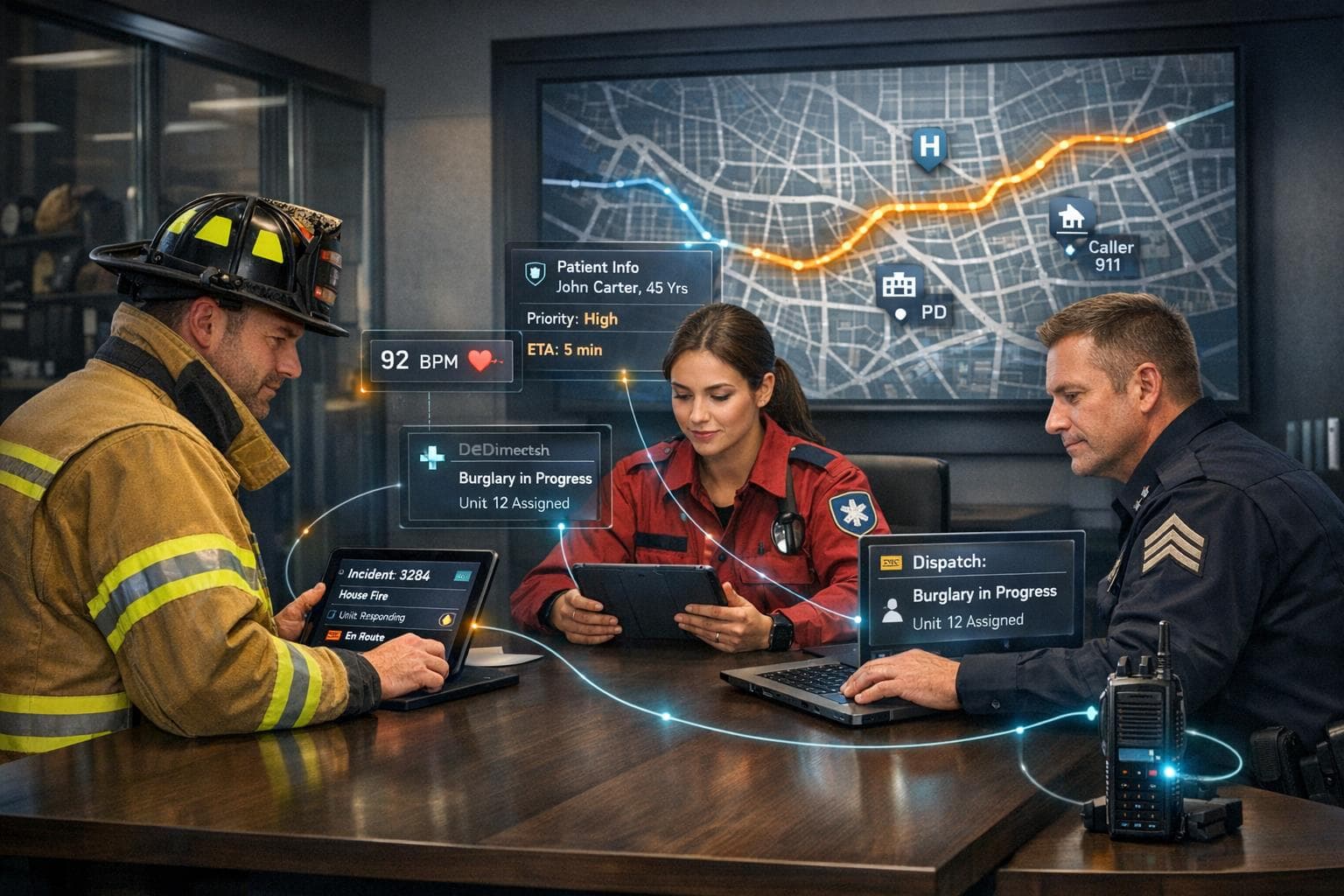
When emergencies strike, communication failures can cost lives. Cross-platform protocols solve this by enabling seamless data sharing across different technologies, like radios, mobile devices, and dispatch systems. These standardized systems help first responders coordinate effectively, even across jurisdictions, ensuring faster and more precise emergency responses.
Key takeaways:
- Interoperability saves lives: Unified protocols allow responders to share critical information in real time.
- Examples of success: A 2021 pilot in New Hampshire and Vermont showed how CAD-to-CAD systems improved emergency response times by linking dispatch centers.
- Challenges to overcome: Outdated systems, funding gaps, and resistance to change remain barriers.
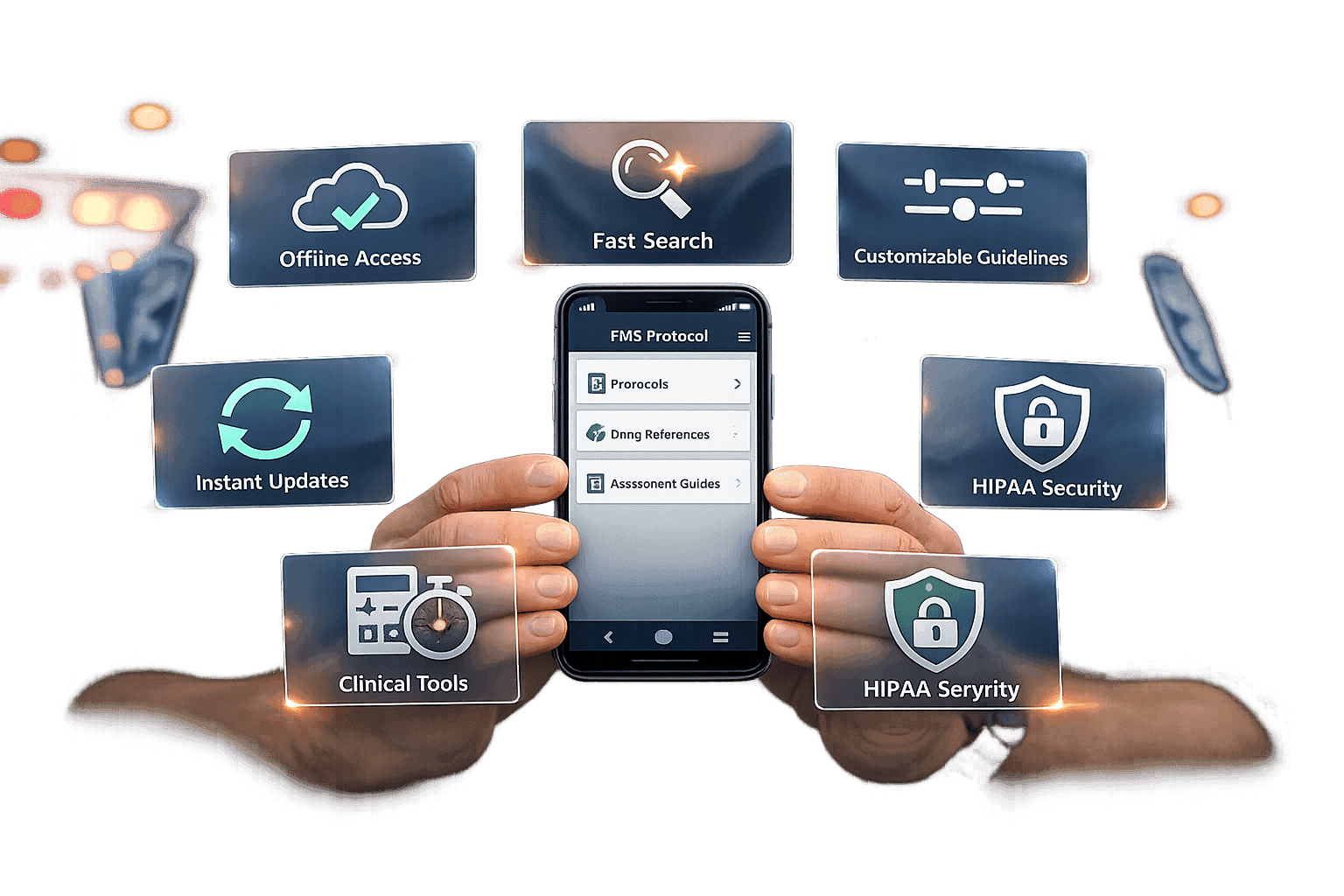
Platforms like ResponderOne address these issues by offering offline access, secure permissions, and compatibility across devices, making public safety operations more efficient and reliable.
Cross-Platform Protocol Impact on Emergency Response: Key Statistics and Benefits
Research on Cross-Platform Protocols for Emergency Response
Impact on Response Times and Coordination
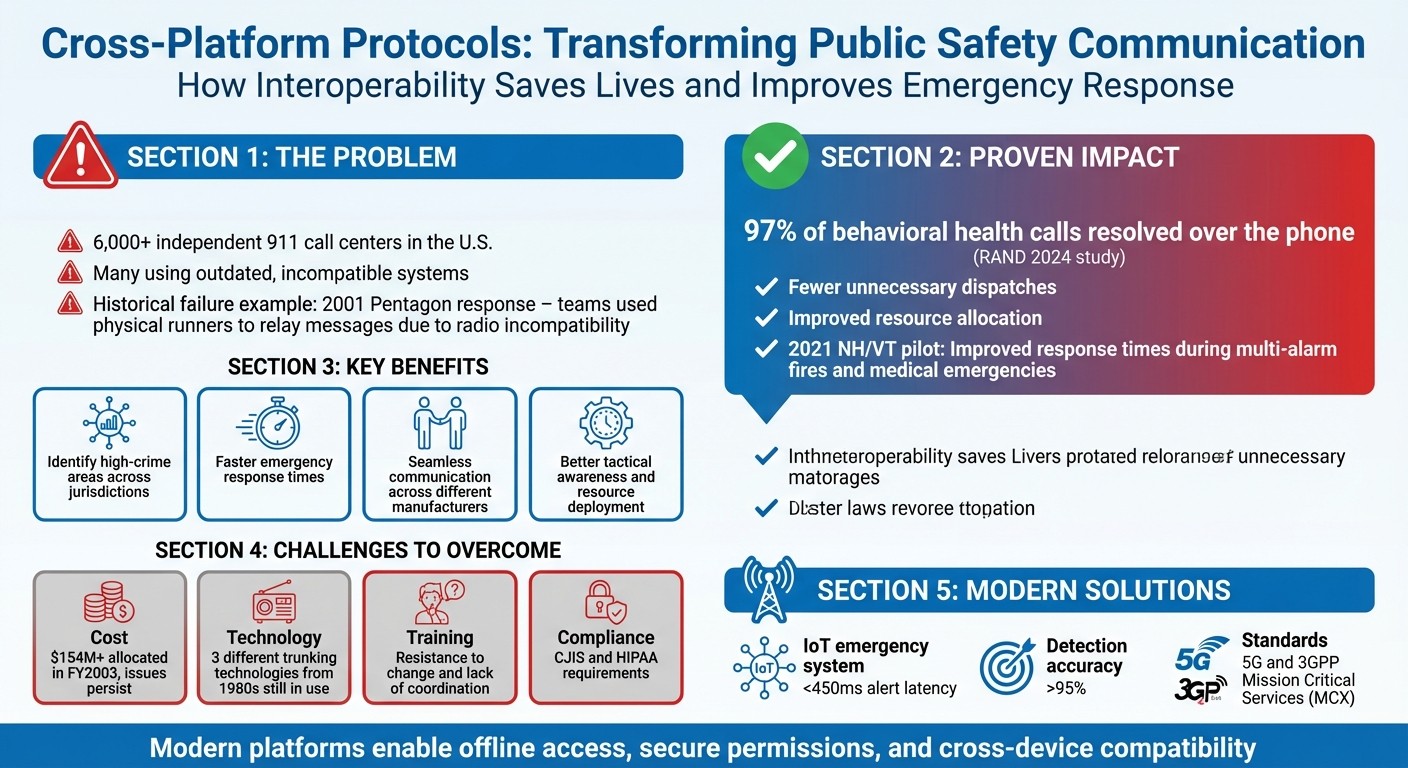
Studies have consistently shown that standardized protocols are lifesaving, as they reduce emergency response times and improve coordination. For example, a March 2024 RAND Corporation study examined the effects of formal call-transfer protocols between 988 mental health lifelines and 911 centers in three areas: Sioux Falls/Minnehaha County (SD), Orange County (NY), and Fairfax County (VA). The findings were compelling. In one jurisdiction, 97% of behavioral health calls were resolved over the phone when routed through an interoperable system. This led to fewer unnecessary dispatches, better use of resources, and more targeted care for individuals in crisis.
However, the study highlighted that technology alone isn’t enough. A "local champion" - someone who can navigate legal and technical hurdles - was identified as a crucial factor in successfully implementing these protocols. This underscores the importance of standardized cross-platform communication for improving public safety outcomes. The numbers are compelling, but the real-world examples make the case even stronger.
Case Studies: Real Applications
In October 2024, Connecticut faced a statewide brush fire emergency requiring extensive coordination. The state's Project 25 (P25) trunked radio system played a central role in managing communication between local, national, and even international response teams.
Scott Wright, Deputy SWIC for Connecticut, spearheaded the use of a mandatory "interoperability template" in every subscriber unit. This pre-configured setup allowed responders using equipment from four different manufacturers to communicate seamlessly, eliminating the delays caused by field reprogramming. Wright attributed their success to years of meticulous pre-planning, which "bypassed this common obstacle, resulting in outstanding coordination and response efforts."
The contrast with past communication failures is stark. During the September 2001 Pentagon response, Maryland fire teams couldn’t communicate via radio with units from Washington, D.C., or Northern Virginia. As a result, rescue teams had to rely on physical runners to relay messages, significantly delaying operations. William O. Jenkins, Jr., Director of Homeland Security and Justice Issues at GAO, emphasized the stakes: "When first responders cannot communicate effectively as needed, it can literally cost lives - of both emergency responders and those they are trying to assist."
Benefits and Challenges of Cross-Platform Protocols
Benefits: Better Communication and Efficiency
Cross-platform protocols are transforming how public safety agencies share data, making communication faster and more effective. Real-time data sharing allows agencies to identify high-crime areas and spot patterns across jurisdictions, ensuring resources are allocated where they’re needed most. For instance, when Jill Paccione-Frometa worked as a crime analyst for the Bronx District Attorney, she used real-time NYPD arrest data to enhance bail applications by giving prosecutors immediate access to defendants' arrest records. She also leveraged NYPD overdose data to create geocoded maps, enabling targeted responses to the opioid crisis. By filtering incidents by drug type, her work significantly improved the region’s public safety strategies.
Another example of improved efficiency comes from the North Texas Emergency Communications Center (NTECC). Using COBRAnet, the center powers a unified search system for its Real-time Emergency Operations Center. This allows for better tactical awareness and warrant confirmations across the Dallas-Fort Worth area by integrating multiple systems. Such a unified approach prevents overburdening one area while ensuring other regions are not neglected.
CAD-to-CAD (computer-aided dispatch) communications also play a crucial role. These protocols ensure that resources are sent to the right locations, even when agencies rely on different systems. In 2021, the Integrated Justice Information Systems (IJIS) Institute ran a pilot project funded by the DHS Science and Technology Directorate. This project tested a shared standard across three localities - two in New Hampshire and one in Vermont - using an InfoCAD system hosted in Amazon GovCloud. The results showed how standardized systems could improve response times during multi-alarm fires and medical emergencies. While the operational benefits are clear, implementing and maintaining such systems comes with its own set of challenges.
Challenges: Implementation and Maintenance
Despite the advantages, technical and operational hurdles remain significant. For instance, there are approximately 6,000 911 call centers in the U.S., each with its own independent technology. Many of these agencies still rely on outdated, incompatible systems, creating barriers to seamless collaboration. Even today, interoperability issues persist due to three different trunking technologies developed back in the 1980s.
Cost is another major obstacle. Implementation and maintenance expenses, coupled with inconsistent funding, slow progress. In fiscal year 2003, Congress allocated at least $154 million for interoperability through various federal grants, yet the issue remains unresolved. Beyond financial constraints, agencies face resistance to change, lack of coordination between teams, and operational protocols that discourage decisive action. Gabe Elias, the Statewide Interoperability Coordinator for Virginia, points out that "conditional words such as 'if' and 'upon' discourage decision-making and real-time information sharing."
Addressing these issues requires more than just technological upgrades. Agencies must invest in ongoing training for personnel, focusing on data-sharing protocols, ethical handling of sensitive information, and the use of standardized formats. Additionally, compliance with regulations like CJIS and HIPAA is essential. Overcoming these challenges demands both modern technology and a commitment to updating organizational processes to support today’s public safety needs.
Real-Time Interoperability: Automating 911 Workflows | The Brief
How ResponderOne Supports Cross-Platform Protocols
ResponderOne plays a key role in addressing the need for streamlined cross-platform protocols by offering offline access, secure permissions, and compatibility across multiple devices.
Offline Access and Real-Time Updates
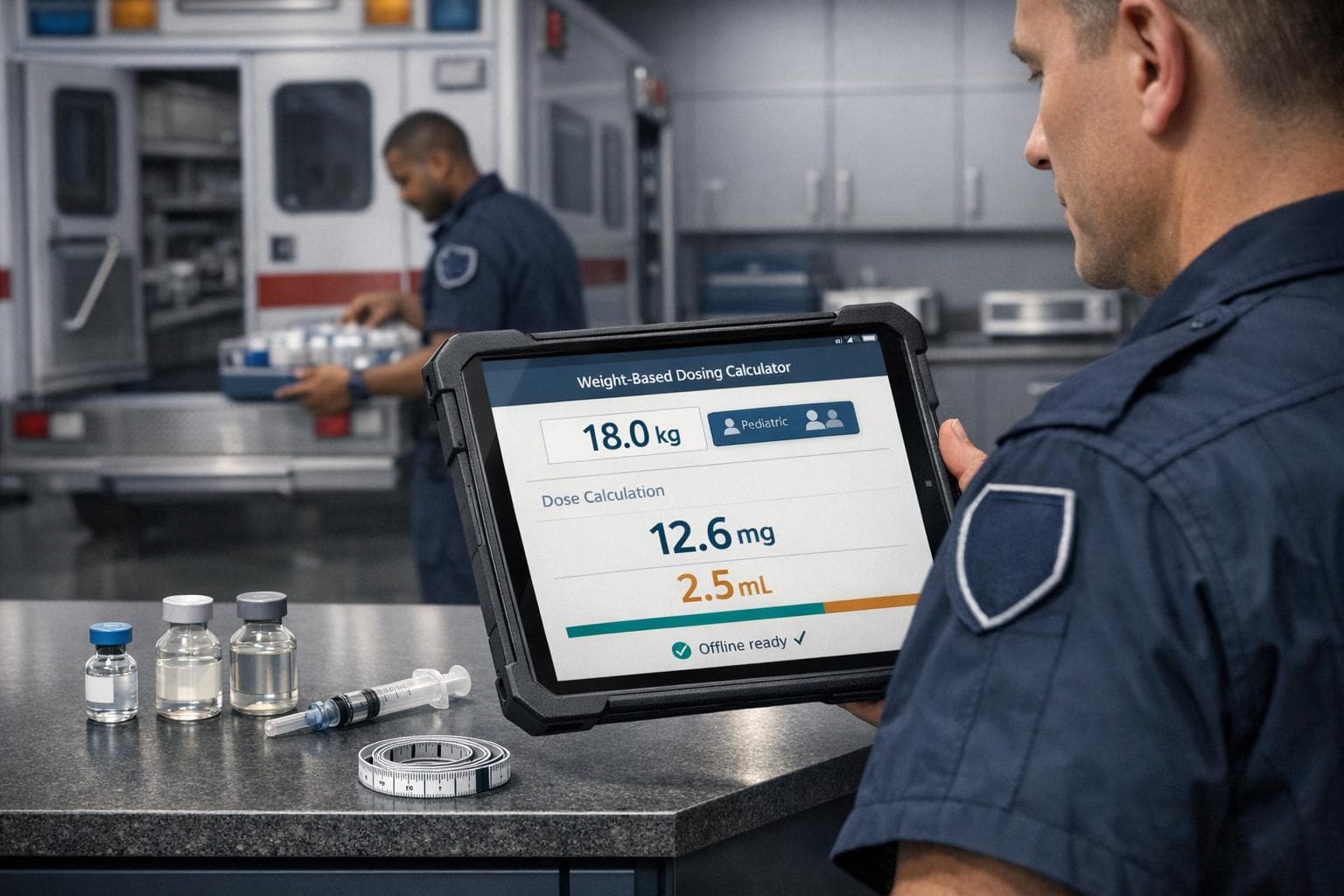
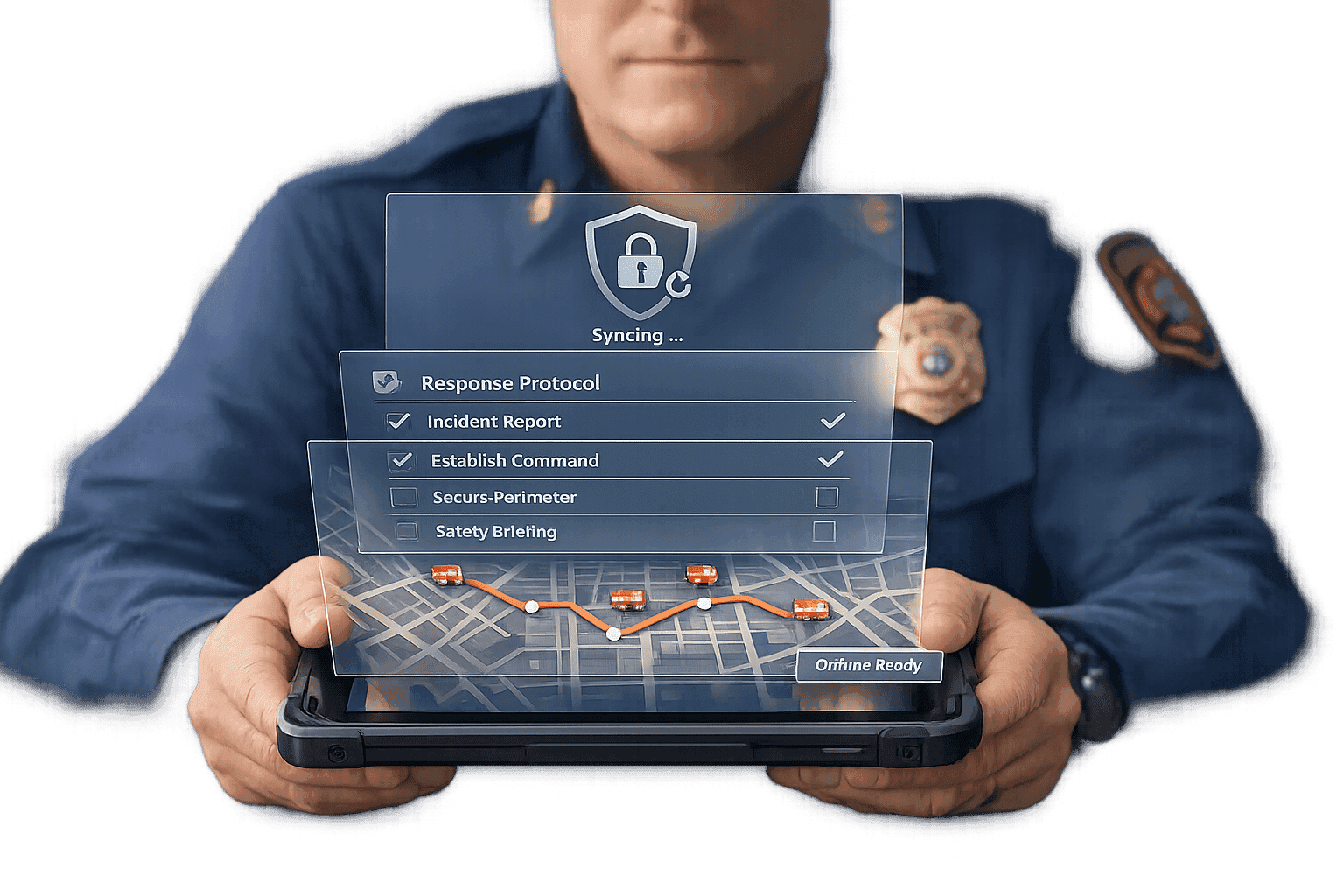
One of the biggest challenges in public safety is ensuring responders can access critical information when connectivity is limited. ResponderOne tackles this by providing offline access to policies, procedures, and forms, making it invaluable in areas with weak signals, like underground facilities or buildings with poor reception. Having this information readily available can be life-saving in such scenarios.
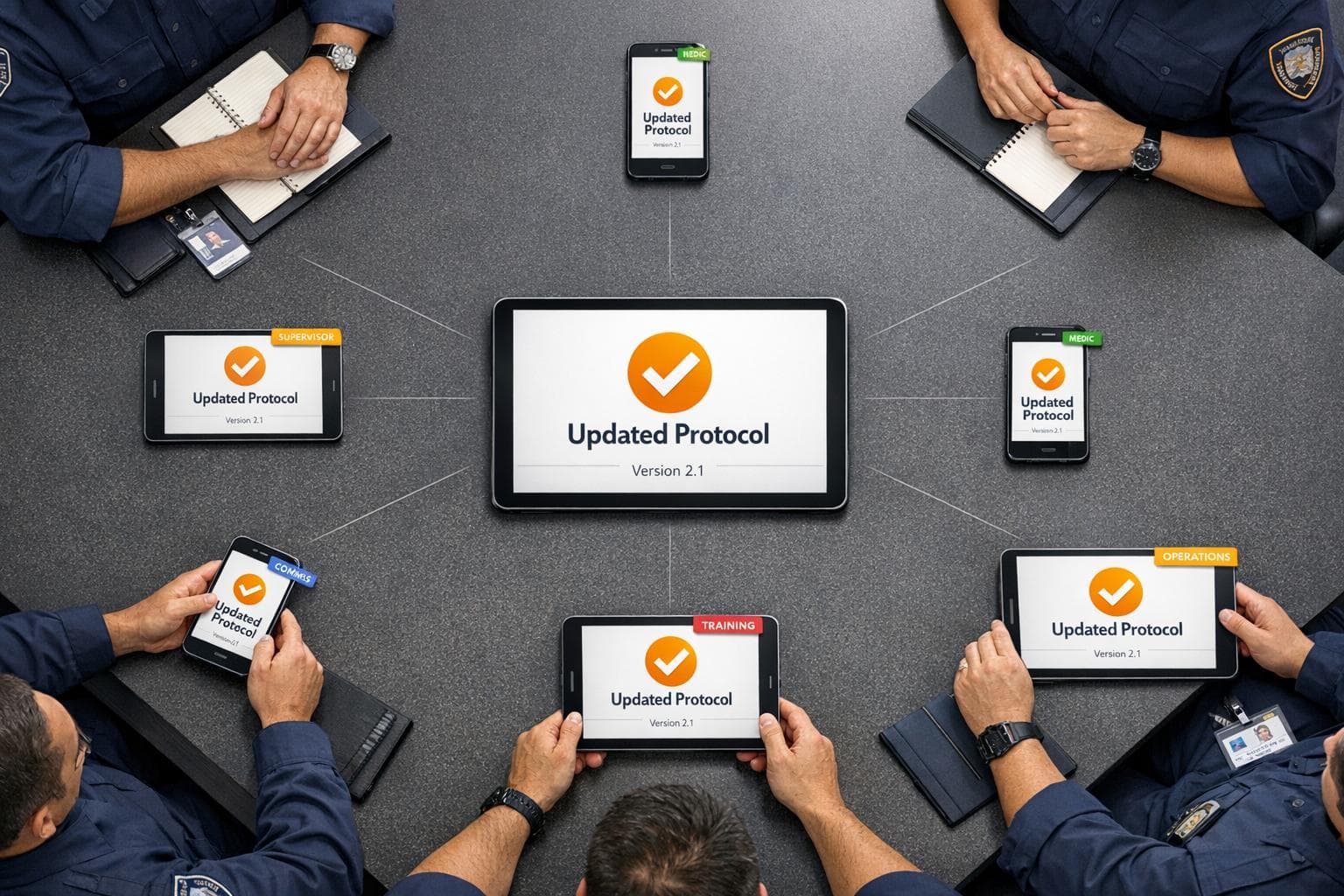
To keep everyone on the same page, the centralized Admin Portal delivers instant updates to all devices. Whether it's a new protocol or a revised procedure, users are notified immediately, ensuring no one is relying on outdated information. This system also protects sensitive data by controlling who has access to it.
Secure Access Through Role-Based Permissions
ResponderOne gives departments the tools to manage user access securely. With its role-based permissions, administrators can control who sees what, ensuring that confidential files are protected while still giving personnel access to the resources they need. Access levels can be tailored to specific job roles, so users only see content relevant to their responsibilities.
This feature is especially useful for agencies that handle sensitive information, as it centralizes user management and reduces administrative workload while maintaining strict data security.
Seamless Cross-Platform Functionality
ResponderOne ensures a smooth experience across devices, whether you're using iOS, Android, or a web browser. The platform provides a consistent interface, making it easy to access protocols and resources from any device. It also centralizes department directories - like phone numbers, emails, and websites - so responders can quickly find contact information during emergencies.
With affordable plans, ResponderOne simplifies adoption by replacing outdated paper manuals and fragmented file-sharing systems, creating a unified solution for teams.
Conclusion: The Future of Public Safety with Cross-Platform Protocols
Key Takeaways
Cross-platform protocols are changing how emergency services work across the United States. Research highlights that interoperable CAD-to-CAD systems break down information silos, speed up response times, and provide a more complete view of incidents, allowing resources to be used more effectively.
The adoption of open standards like 3GPP Mission Critical Services (MCX) and the integration of 5G represent a shift away from proprietary systems that have long hindered coordination. Modern IoT emergency systems, with alert latencies under 450 milliseconds and detection accuracy exceeding 95%, showcase how technology can move emergency responses from being reactive to proactive. However, challenges remain, especially when responders struggle to communicate effectively within their own agencies or with neighboring jurisdictions.
A 2021 IJIS Institute pilot project in New Hampshire and Vermont demonstrated the real-world success of standardized protocols. During simulated three-alarm fires and medical emergencies, data sharing was successfully achieved using an Amazon GovCloud-hosted environment. These findings emphasize the importance of platforms like ResponderOne in advancing emergency response systems.
Modernizing Public Safety with ResponderOne
These findings highlight the critical need for solutions that bridge communication and data-sharing gaps. ResponderOne provides a unified, cross-platform system accessible on iOS, Android, and web browsers. Its offline-ready functionality ensures responders can access protocols even in areas with poor connectivity, while centralized updates through the Admin Portal keep everyone on the same page with the latest information. Role-based permissions safeguard sensitive data, and its budget-friendly pricing allows departments of all sizes to move away from outdated paper manuals and disjointed systems.
As public safety increasingly relies on wireless, cloud-based solutions, platforms that support seamless cross-platform compatibility are no longer optional - they're vital for saving lives and ensuring well-coordinated emergency responses.
FAQs
What’s the fastest way to improve interoperability without replacing everything?
To improve interoperability quickly without replacing existing systems, the best approach is to use open standards and gateways. These tools ensure smooth communication between various technologies, especially in emergencies. For instance, standardized protocols like 3GPP MCX and gateways such as RoIP can bridge proprietary systems effectively, making them work together without major upgrades.
What should a 'local champion' do to get cross-platform protocols adopted?
A "local champion" plays a critical role in driving progress by securing leadership commitment across various fields, encouraging teamwork, and collaborating with policymakers to secure necessary resources. Their responsibilities often include:
- Promoting standardized protocols to streamline processes.
- Supporting training initiatives to help teams build confidence and familiarity with systems.
- Advocating for interoperable technology that ensures seamless communication.
These efforts are essential for improving interoperability and enabling clear, effective communication, especially during emergencies.